























Multi-currency accounts, competitive FX, and global transfers — Everything you need to pay and get paid internationally
Built for faster payments, smarter liquidity, and robust compliance—all powered by our next-gen API toolkit and AI-native architecture.
Named a Top Global Fintech Company by CNBC & Statista, we’ve supported 1.5M+ businesses since 2004.
About WorldFirst
Resources
More brands of Ant International
Europe
Asia
Oceania
Africa

We provide coverage in South Asia and Middle East: servicing 210+ countries and territories.

How to Import From China: A Guide for Online Sellers in South Asia

Contents

Learning how to import from China is less about hunting for the lowest sticker price and more about controlling your true landed cost. Most Pakistani sellers focus on finding a bargain supplier, then watch shipping, duties, and payment fees quietly eat their margin. The real profit sits in how you plan those costs and pay suppliers. Here is what separates sellers who build a sustainable business from those who stall out.

Key Takeaways

  • Source products from platforms such as 1688 and Alibaba, then verify each supplier’s track record and samples before placing your first paid order.
  • Calculate your landed cost by combining product price, freight, customs duty, sales tax, and FX conversion into one total figure per unit.
  • Register for import rights, including your NTN, sales tax registration, and WeBOC access, before any goods leave China for Pakistan.
  • The China-Pakistan Free Trade Agreement can lower base duties on eligible goods, though additional duties and taxes may still add roughly 30% to your costs.
  • Paying suppliers by converting PKR to CNH can cut unnecessary FX costs, and advance import payments must settle within the SBP 120-day window.

Your First Step Toward Smarter China Sourcing

The most reliable way to import from China to Pakistan without bleeding margin is to control how you pay your suppliers. Product price matters, but the fees hidden inside every currency conversion quietly decide whether an order stays profitable.

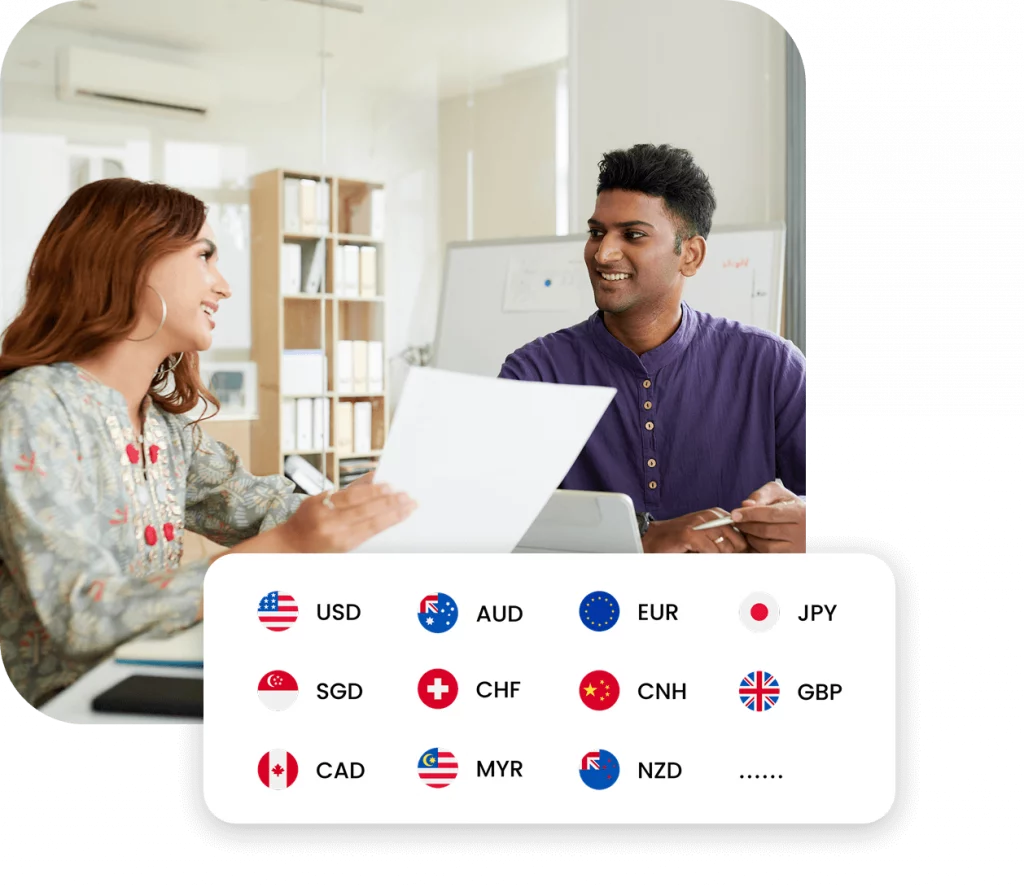
A WorldFirst South Asia Business Account gives Pakistani sellers a practical way to hold balances across 15+ currencies and settle supplier invoices in CNH directly. That means fewer conversion steps and clearer visibility on what each unit truly costs. Backed by Ant International, the platform is built for the scale that cross-border sourcing demands.

You can see how paying international suppliers fits into your sourcing workflow when the money side is sorted first.

How Do You Source Products From China?

Source from Alibaba when you need export-ready suppliers who handle international shipping and English communication. Choose 1688 when you want lower wholesale prices aimed at China’s domestic market. Both platforms connect you to the same factory ecosystem, but they serve different buyer profiles and require different levels of hands-on management.

Alibaba vs 1688 for Wholesale Buyers

Alibaba is built for exporters. Suppliers list products in English, quote in USD, and expect international orders. Buyer protection, trade assurance, and dispute handling are all designed for cross-border transactions, which makes it the safer starting point if you are new to sourcing.

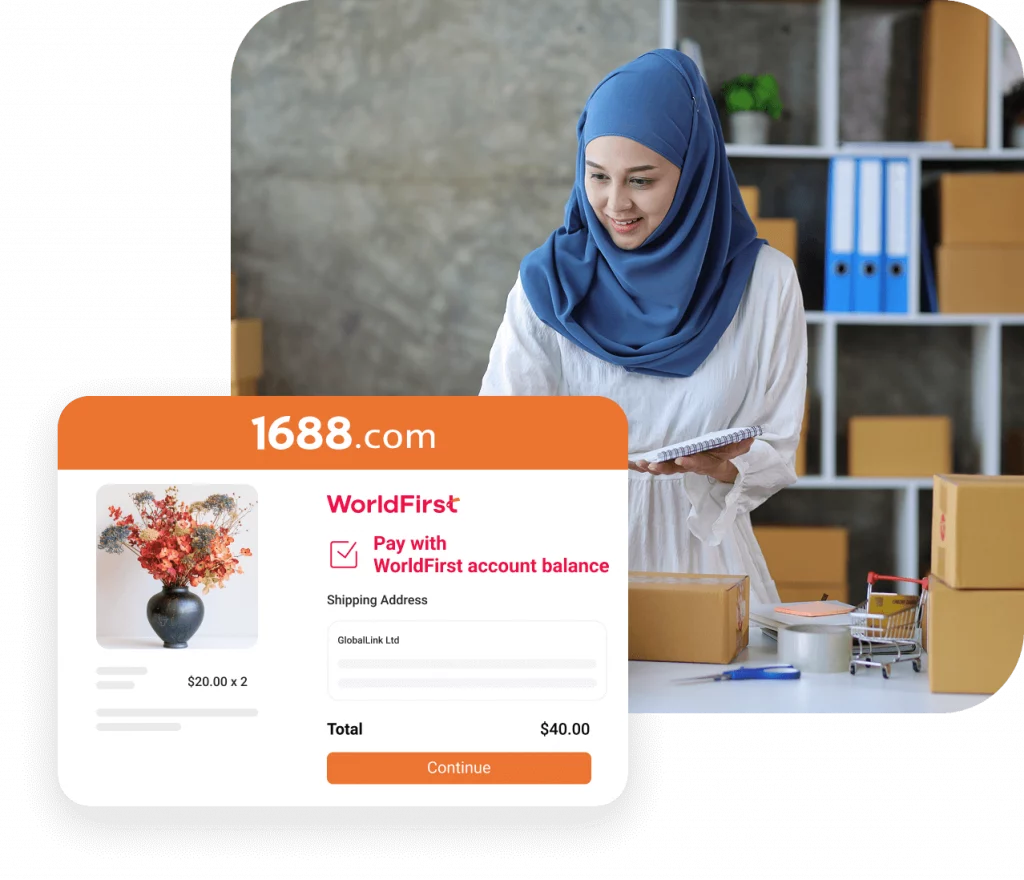
1688 is Alibaba’s domestic sister platform. It serves Chinese buyers, so prices tend to run lower than Alibaba for the same goods. The tradeoff is real: the site operates entirely in Chinese, most suppliers do not offer export support, and payment sits inside China’s local ecosystem. World Pay is the authorised payment provider for 1688.com orders, which matters because domestic suppliers rarely accept foreign cards or wire transfers directly.

For most Pakistani sellers, the practical route is to start on Alibaba, then move to 1688 once you understand your products and can manage the language gap. Once your inventory arrives, platforms like Daraz, Amazon, and Shopify give you the storefronts to sell it. It helps to know how Alibaba works for buyers in Pakistan before you commit funds, and to plan ahead for paying 1688 suppliers from Pakistan.

Minimum Order Quantity Explained

Minimum order quantity, or MOQ, is the smallest batch a supplier will sell, and it directly shapes your first-order budget. A low MOQ of 50 units keeps your cash outlay small and your risk contained. A high MOQ of 1,000 units drops your per-unit price but ties up far more capital before you have sold a single item.

Strong bilateral trade data¹ shows how much room there is to import from China to Pakistan, but volume only pays off once you can move stock. Match your MOQ to what you can realistically sell, not to the cheapest unit price on offer.

How to Verify a Chinese Supplier and Avoid Scams

Confirm a supplier is legitimate by requesting their business licence, ordering a paid sample, and checking trade references before you commit real money. Cross-check the company name against the licence document, verify the registered address, and never wire full payment to an account that does not match the licensed entity.

Factory vs Trading Company

A factory makes the goods itself, so you get lower prices and direct control over quality and specifications. A trading company acts as a middleman, sourcing from multiple factories and adding a margin on top.

Trading companies still earn their place. They handle smaller orders, manage export paperwork, and speak fluent English, which suits sellers who are new to supplier verification. The tradeoff is price and transparency. When you buy from a factory, you know exactly where your product comes from and can push for changes, whereas buying from a trader means you pay more and rely on their sourcing choices.

Ask directly whether you are dealing with a factory or an agent. A genuine factory will happily share production photos, machinery details, and its export licence.

Supplier Checklist and Pre-Shipment Inspection

Run through these checks before you send any payment:

  1. Request the business licence and confirm the company name matches the bank account.
  2. Order a paid sample and test it against your quality standards.
  3. Ask for references from buyers who import from China to Pakistan or similar markets.
  4. Confirm production capacity and lead times in writing.
  5. Verify the registered address using an independent search.

Beyond that basic vetting, a short list of pointed questions tells you quickly whether you are dealing with a serious manufacturer. Ask about their minimum order quantity, production lead time, quality control process, and export licence status, and check whether they can provide a Certificate of Origin for CPFTA duty benefits. Ask for photos of the production floor and request the name and contact of their freight forwarder, since brokers who cannot deliver tend to stumble on these details.

Pro tip: A pre-shipment inspection costs a fraction of your order value but catches defects before goods leave the port. Third-party inspection services typically charge between USD 250 and USD 350 per inspection for a standard factory visit, and for any order above a few thousand dollars, that fee pays for itself the first time it flags a bad batch.

These same habits protect you when you scale into Alibaba dropshipping for South Asian businesses.

What Is the Landed Cost of Importing From China?

Landed cost is the full price of getting a product from a Chinese supplier to your warehouse in Pakistan. It combines the product price, freight, customs duty, sales tax, withholding tax, and the FX cost of converting your rupees. Miss any one of these, and your margin estimate is wrong before you sell a single item.

Customs Duty, Taxes and the CPFTA

Four charges hit your goods at the port, and together they can add roughly 30% to your product cost², depending on the category. The exact rates depend on the HS code assigned to your product.

  • Customs duty: the base import tariff, set by the FBR customs tariff² schedule for each product category.
  • Regulatory duty: an extra charge applied to specific goods, often consumer electronics and finished products.
  • Sales tax: the standard rate applied on the assessed import value plus duties.
  • Withholding tax: collected at the import stage and adjustable against your annual tax filing.

The China-Pakistan Free Trade Agreement changes this maths for eligible goods. Under the Pak-China FTA³, base customs duty on many product lines drops or reaches zero, provided your supplier issues a valid Certificate of Origin. That certificate is what proves your goods qualify, so ask for it before shipment.

Always confirm the current duty rate against the Federal Board of Revenue tariff schedule for your specific HS code. Rates shift, and one category can carry a very different burden from the next.

How to Calculate Your Total Landed Cost

Work through your landed cost in order, so nothing slips past you:

  1. Start with the product price per unit, quoted by your supplier in CNH or USD.
  2. Add freight and insurance, divided across the number of units in the shipment.
  3. Apply customs duty and regulatory duty on the assessed value, using your HS code.
  4. Add sales tax and withholding tax on the duty-inclusive value.
  5. Add the FX cost of converting PKR into your payment currency.
  6. Divide the total by your unit count to get your true per-unit landed cost.

That final figure, not the supplier’s sticker price, is what you build your selling price around. Tightening the FX line matters here, since managing currency conversion costs is one of the few landed-cost inputs you fully control.

How Much Money Do You Need to Start Importing From China?

Most first-time importers from Pakistan can start with a budget of USD 500 to USD 2,000 for a small test order, though your actual minimum depends on your supplier’s MOQ, your chosen product category, and your freight method. That figure covers the product cost, sea freight on a small shipment, customs duties and taxes, and a basic pre-shipment inspection. It does not include your registration costs or working capital for the next order cycle.

Break your starting budget into four buckets so nothing catches you off guard:

  • Product cost: your MOQ multiplied by the unit price. A 100-unit order at USD 8 per unit costs USD 800 before anything else.
  • Freight and insurance: sea freight on a small parcel or LCL (less-than-container-load) shipment from China to Karachi typically runs USD 150 to USD 400 depending on weight and volume.
  • Duties and taxes: budget roughly 30% of your product cost as a starting estimate, then confirm the exact figure against the FBR customs tariff² for your HS code.
  • Inspection and contingency: set aside USD 250 to USD 350 for a pre-shipment inspection and keep a 10% buffer for unexpected charges.

The single biggest mistake new importers make is budgeting only for the supplier invoice. Your landed cost is always higher than the sticker price, and your working capital needs to cover the full cycle from payment to sale.

What Mistakes Should Beginners Avoid When Importing From China?

The most common beginner mistakes when importing from China are paying a supplier in full before receiving a sample, ignoring the landed cost until after the order is placed, and missing compliance deadlines such as the SBP 120-day advance payment window. Each of these errors is avoidable with a checklist and a clear cost model before you commit funds.

Avoid these specific traps:

  • Paying 100% upfront without a sample. Always order a paid sample first. A supplier who refuses to send one is a red flag.
  • Calculating cost from the supplier invoice alone. Duties, taxes, freight, and FX conversion can add 40% or more on top of the product price. Build your full landed cost before you negotiate.
  • Choosing the wrong Incoterm. EXW looks cheap on paper but puts every logistics cost on you. FOB is the safer default for most first orders.
  • Skipping supplier verification. Confirm the business licence, match it to the bank account, and check references before wiring money.
  • Ignoring the SBP 120-day rule. If you pay in advance, your import documents must settle within 120 days or a penalty applies. Plan your order timeline around this window.
  • Ordering too much stock too soon. A high MOQ lowers your unit price but locks up capital. Start with a small test order to validate demand before scaling.
  • Missing the Certificate of Origin. Without it, you cannot claim CPFTA duty reductions, and you pay the full tariff rate unnecessarily.

These mistakes are not unique to Pakistan, but the compliance and FX dimensions make them more costly here than in markets with simpler import rules.

Choosing Incoterms and Shipping From China

Incoterms are the standardised trade rules that decide who pays for freight, insurance, customs clearance, and delivery at each stage of a shipment. They fix the exact point where cost and risk pass from your supplier to you. Pick the wrong term and you can end up covering charges you never budgeted for.

EXW, FOB and DDP Compared

Three Incoterms cover most first-time imports, and each shifts responsibility differently. Ex Works, or EXW, is the cheapest quote on paper but puts everything on you, since you arrange collection from the factory door, inland transport, export clearance, and the full journey to Pakistan.

FOB, or Free On Board, is the sweet spot for most sellers. Your supplier handles export clearance and delivery to the Chinese port, then you take over from there. That split keeps costs transparent and lets you shop for your own freight forwarder.

DDP, or Delivered Duty Paid, is the opposite of EXW. Your supplier delivers to your door and covers duties. It is simple, but you lose visibility on the margin baked into that all-in price.

Sea, Air and Rail Freight

Your shipping method trades cost against speed. Sea freight is the workhorse for bulk orders, air freight moves small, urgent, or high-value goods fast, and rail sits between the two on both counts.

  • Sea freight: Lowest cost per unit, transit of roughly 20 to 35 days. Best for full containers and heavy, non-urgent stock.
  • Air freight: Highest cost, transit of 3 to 7 days. Best for samples, small parcels, and time-sensitive launches. See the DHL shipping guide⁴ for route details.
  • Rail freight: Mid-range cost and speed. Best for balancing budget and deadline on medium volumes.
Warning: Chinese New Year shuts most factories for two to three weeks in late January or February. Production slows for weeks before and after, and port congestion spikes. Place orders well ahead or expect long delays.

Import Rights, Registration and Customs Clearance

You do not need a separate import licence to bring goods in from China, but you do need to register as an importer. That means holding a National Tax Number, completing sales tax registration where applicable, and enrolling in the WeBOC system before your first shipment arrives at a Pakistani port.

NTN, Sales Tax Registration and WeBOC

Your National Tax Number, or NTN, is the foundation. You obtain it through the Federal Board of Revenue via the IRIS portal, and it identifies you as a taxpayer for every import you make. Without it, you cannot proceed with customs clearance at all.

Sales tax registration is the next step for most commercial importers. If you sell taxable goods, registering lets you claim input tax and stay compliant with FBR rules.

WeBOC is Pakistan’s electronic customs system. You register for a WeBOC user ID, which links to your NTN and lets you file goods declarations online. Every shipment you import from China to Pakistan passes through this platform, so setting it up early saves you delays later.

Documents You Need for Customs Clearance

Have these ready before your goods reach port. Missing paperwork is the most common cause of clearance delays and demurrage charges.

  • Commercial invoice matching your purchase order
  • Packing list with weights and quantities per carton
  • Bill of lading or airway bill from your carrier
  • Certificate of Origin, needed to claim CPFTA duty benefits
  • Goods declaration filed through WeBOC
  • Your NTN and sales tax registration certificate

The Federal Board of Revenue governs the entire clearance process, assessing your declared value, applying the correct HS code, and calculating duties and taxes owed. Once these settle, your goods are released. Sorting your supplier payments through a dedicated e-commerce seller payment solution keeps your invoices and records clean when FBR reviews them.

What Is the Safest Way to Pay Chinese Suppliers?

The safest way to pay Chinese suppliers is to hold a multi-currency balance, convert PKR into CNH yourself, and settle invoices directly in the currency your supplier prefers. This cuts hidden conversion fees, keeps your landed cost predictable, and gives you a clear paper trail for SBP compliance.

Many online sellers already know Payoneer as a familiar option for cross-border payments. WorldFirst is another payments provider worth considering for businesses that need to settle supplier invoices in China, offering multi-currency balances and direct CNH settlement. Comparing the fees and process of each against your own order pattern is the sensible way to choose.

Paying in CNH to Protect Your Margin

You will see three terms used almost interchangeably: RMB, CNY, and CNH. RMB, or renminbi, is the name of the Chinese currency itself. CNY is the onshore version traded inside mainland China, while CNH is the offshore version traded outside it. Suppliers quote in yuan regardless, but the version you pay in affects your cost.

When you pay through a standard bank route, your rupees often convert to USD first, then to CNY, stacking two conversion spreads onto one payment. Converting PKR to CNH directly removes that middle step. The RMB, CNY and CNH differences explain why offshore CNH is the practical currency for cross-border trade.

Holding a CNH balance in a multi-currency account lets you time your conversion and pay when you are ready. For sellers placing repeat orders, that control tightens the one landed cost input you actually own. Rates are indicative and subject to change.

The SBP 120-Day Advance Payment Rule

Advance payments carry a compliance clock. When you pay a Chinese supplier before goods ship, State Bank of Pakistan rules require that the corresponding import documents settle within 120 days of the remittance date.

Warning: Miss the 120-day settlement window on an advance import payment and a penalty of around 1% per month can apply on the outstanding amount. Confirm current terms with your bank before remitting.

Plan your order timeline so shipment and clearance land inside that window. Settling suppliers through a dedicated route for paying international suppliers keeps your remittance records clean when SBP or your bank reviews the transaction.

FAQs

How Can I Import Directly From China?

Register as an importer first. Obtain your National Tax Number, complete sales tax registration where required, and enrol in WeBOC before goods arrive. Then source from a verified supplier on Alibaba or 1688, agree on Incoterms, arrange freight, and pay in the currency your supplier accepts to keep your costs predictable.

How Much Will It Cost to Import From China?

Your total cost is the landed cost, not the sticker price. Combine the product price, freight, insurance, customs duty, sales tax, withholding tax, and FX conversion into one per-unit figure. Duties and taxes alone can add roughly 30% depending on your HS code, so confirm current rates against the FBR tariff schedule before ordering.

How Much Money Do I Need to Start Importing From China?

Most first-time importers can begin with USD 500 to USD 2,000 for a small test order. That covers a low-MOQ product cost, sea freight on a small shipment, customs duties and taxes, and a basic pre-shipment inspection. Budget roughly 30% of your product cost for duties and taxes, and keep a 10% contingency for unexpected charges. Start small, validate demand, then scale.

Can I Order From 1688 to Pakistan?

Yes, though 1688 is built for China’s domestic buyers, so it operates entirely in Chinese and most suppliers offer no export support. Prices run lower than Alibaba for the same goods. World Pay is the authorised payment provider for 1688.com orders, since domestic suppliers rarely accept foreign cards or wire transfers directly.

Do I Need a License to Import From China?

No separate import licence is required, but registration is mandatory. You must hold a National Tax Number, complete sales tax registration where applicable, and enrol in the WeBOC customs system. These identify you as a taxpayer and let you file goods declarations for every shipment you import from China to Pakistan.

What Mistakes Should Beginners Avoid When Importing From China?

The most costly beginner mistakes are paying a supplier in full before receiving a sample, calculating cost from the supplier invoice alone without adding duties and freight, choosing EXW without understanding the logistics burden, and missing the SBP 120-day advance payment deadline. Start with a small test order, build your full landed cost before committing, and verify every supplier before wiring money.

What Is the Safest Way to Pay Chinese Suppliers From Pakistan?

Hold a multi-currency balance, convert PKR into CNH yourself, and settle invoices directly in your supplier’s preferred currency. This removes the double conversion that standard bank routes stack on, keeps your landed cost predictable, and gives you a clean paper trail for SBP compliance. Rates are indicative and subject to change.

Turning Your China Sourcing Plan Into Profit

Profitable importing happens when three things work together: smart sourcing, honest landed-cost planning, and supplier payments that don’t leak margin. Get one right and stumble on the others, and the numbers stop adding up. The sellers who last treat all three as a single system, not separate tasks.

Payments are where you have the most direct control. When you import from China to Pakistan on repeat orders, converting PKR into CNH yourself and settling invoices directly removes the double conversion that quietly erodes your unit cost.

A WorldFirst South Asia Business Account gives you that control, and managing currency conversion costs becomes a lever you own. Check the South Asia pricing page for current rates. Rates are indicative and subject to change.

Sources:

¹ https://www.china-briefing.com/news/china-pakistan-relations-trade-investment-strategy/

² https://www.fbr.gov.pk/categ/customs-tariff/51149/70853/131188

³ https://www.commerce.gov.pk/about-us/trade-agreements/pak-china-free-trade-agreement-in-goods-investment/

https://www.dhl.com/discover/en-pk/e-commerce-advice/shipping-guides-by-country/shipping-from-china-to-pakistan

This article is intended for informational purposes only and does not constitute legal advice or professional advice. This article should not be regarded as constituting an offer or a solicitation to buy or sell any regulated or financial products or services. WorldFirst makes no representations or warranties regarding the accuracy, completeness, or applicability of the content, and readers are encouraged to consult with legal professionals or other professionals for advice tailored to their specific situation. WorldFirst does not guarantee the accuracy and completeness of this article and expressly disclaims any and all liability to any person in respect of the consequences of anything done or omitted to be done wholly or partly in reliance on this article.

Linna is a Senior Content Strategy Manager specializing in fintech, cross-border payments, and global ecommerce. With extensive experience in international B2B growth content, and global market expansion, she leads content initiatives that help businesses navigate cross-border trade, international payments, and digital commerce at scale.

Linna

Author

Senior Content Strategy Manager
WorldFirst South Asia

Continue reading

The simpler way to pay and get paid

Save money, time, and have peace of mind when expanding your global business.