
























We provide coverage in South Asia and Middle East: servicing 210+ countries and territories.
WorldFirst Home > Blog > Marketplaces & Platforms > AliExpress Business: A Complete Guide for South Asian Online Sellers
AliExpress Business is a wholesale B2B sourcing platform from Alibaba Group, built for small and medium-sized e-commerce sellers who need more than what the standard AliExpress marketplace offers. If you’re an online seller, freelancer, or dropshipper in South Asia looking to source products internationally, this guide explains how AliExpress Business works, how it compares to Alibaba, and how to manage your supplier payments efficiently.
Key Takeaways
AliExpress Business is a wholesale extension of the standard AliExpress platform, operated by Alibaba Group. It is designed for SMEs and e-commerce sellers who need bulk pricing, supplier verification, and sourcing flexibility. Unlike the consumer-facing AliExpress, it offers per-unit wholesale pricing, Request for Quotation (RFQ) tools, and private-label manufacturing support, all with lower minimum order quantities (MOQs) than Alibaba.¹
For online sellers in Pakistan and Bangladesh who are scaling their operations (whether on Daraz, Meesho, Shopify, or through social commerce) AliExpress Business offers a structured way to source internationally without committing to the large order volumes that enterprise-level B2B platforms typically require.
AliExpress Business is built for volume sourcing and business growth, while standard AliExpress is designed for individual retail purchases. The core differences are in pricing structure, order flexibility, and supplier accountability. Standard AliExpress offers fixed retail pricing with no MOQ requirements, which is useful for testing a product or placing a one-off order. AliExpress Business offers per-unit wholesale pricing, direct supplier negotiation, and tools to manage larger procurement workflows.
Here is a practical distinction: if you are a seller on Daraz Pakistan wanting to test a new product category, standard AliExpress lets you order a single unit. But if you have confirmed demand and want to order 50 units of a customised product at a lower per-unit cost, AliExpress Business is the more appropriate channel — you can negotiate pricing directly with the supplier and benefit from volume discounts without needing to meet the high MOQs common on Alibaba.¹
Other key differences include:
AliExpress Business is better suited to small and mid-sized sellers, while Alibaba is primarily structured for enterprise buyers placing large customised orders with manufacturers. The fundamental difference lies in MOQ requirements and sourcing complexity. Alibaba typically requires 100+ units per order and is designed for businesses buying in bulk directly from factories. AliExpress Business supports lower MOQs, making it accessible for sellers who are still building order volume.²
For a freelancer or independent seller in Bangladesh who has started reselling electronics accessories or fashion items online, Alibaba’s MOQ structure may be financially prohibitive at an early stage. AliExpress Business allows you to start sourcing wholesale at a more manageable scale, with the option to scale up as your business grows.
A seller based in Lahore running a Shopify store, for example, could use AliExpress Business to source private-label phone accessories at wholesale rates, test demand across a few SKUs, and only graduate to Alibaba-level volumes once a product line has proven profitability.
AliExpress Business expands on standard AliExpress with tools designed for business-scale sourcing operations. It is not simply a wholesale catalogue — it includes procurement management, supplier communication, and product development features in one platform.¹
Core features include:
AliExpress Business is most useful for small-to-medium-sized e-commerce sellers, dropshippers, and independent importers who are sourcing internationally at growing volumes. It bridges the gap between retail sourcing on standard AliExpress and high-MOQ manufacturing procurement on Alibaba, making it well-suited for sellers who are past the testing phase but not yet at enterprise scale.¹
AliExpress Business is a strong fit if you are:
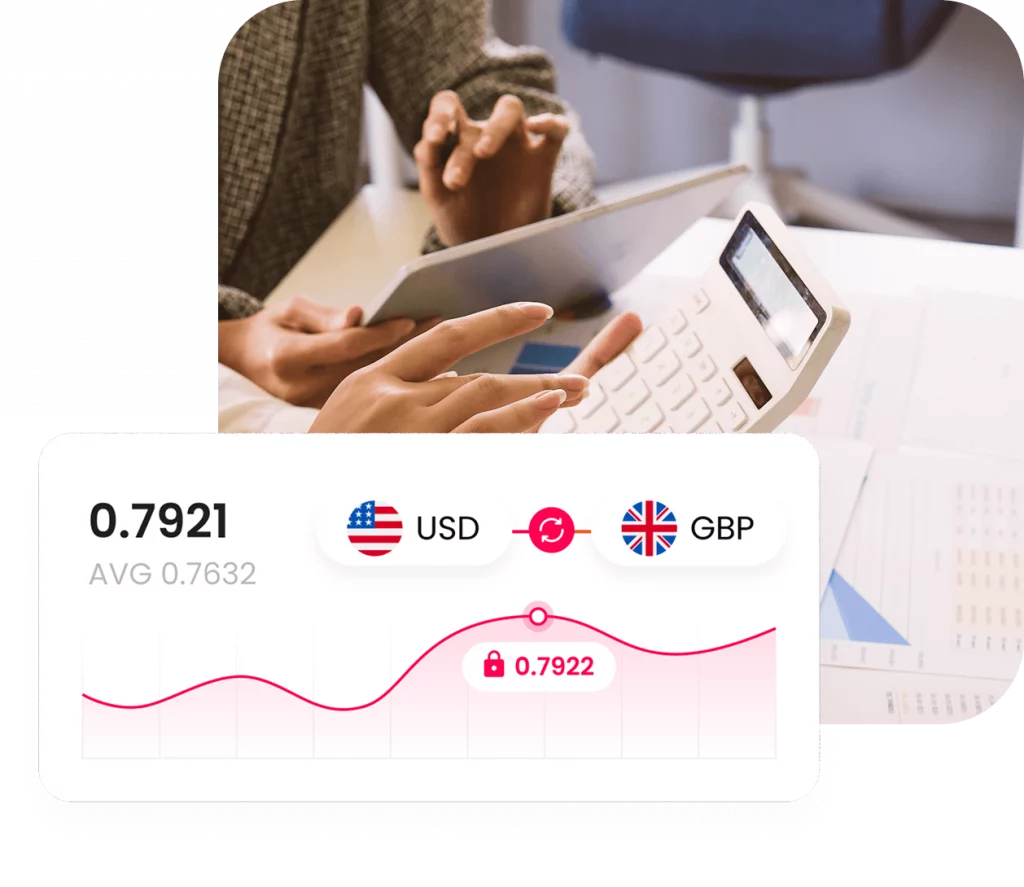
One of the most common challenges for online sellers in South Asia is the cost and complexity of paying international suppliers. Bank wire transfers to China can carry high intermediary fees, unfavourable FX conversion rates, and delays, all of which erode margins on already competitive product sourcing.³
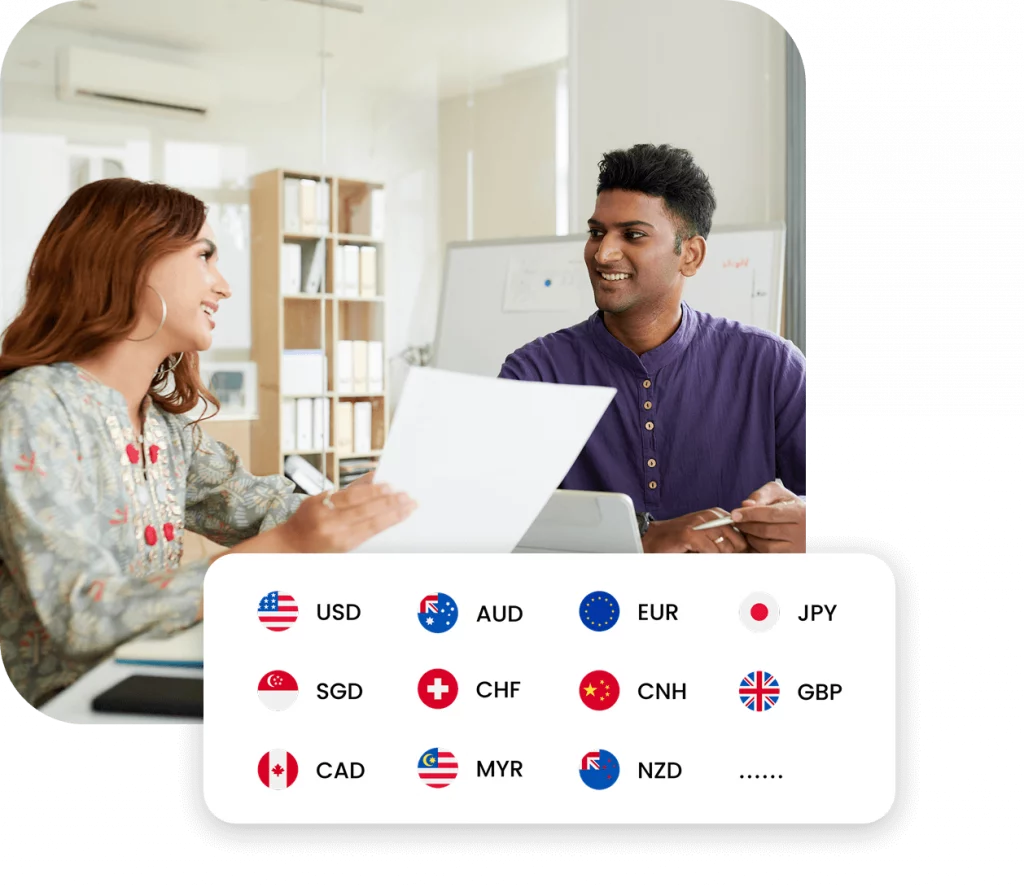
A multi-currency account helps address these issues by allowing you to hold, receive, and send payments in multiple currencies without unnecessary conversions.
WorldFirst is a global payments platform that supports businesses managing cross-border transactions. It allows sellers to:
For a freelance web developer in Dhaka earning USD from international clients on platforms like Upwork, a WorldFirst account means those USD earnings can be held as-is and used directly to pay an AliExpress Business supplier in CNH — avoiding a USD-to-BDT-to-CNH conversion chain that would typically cost several percentage points in FX fees.⁴
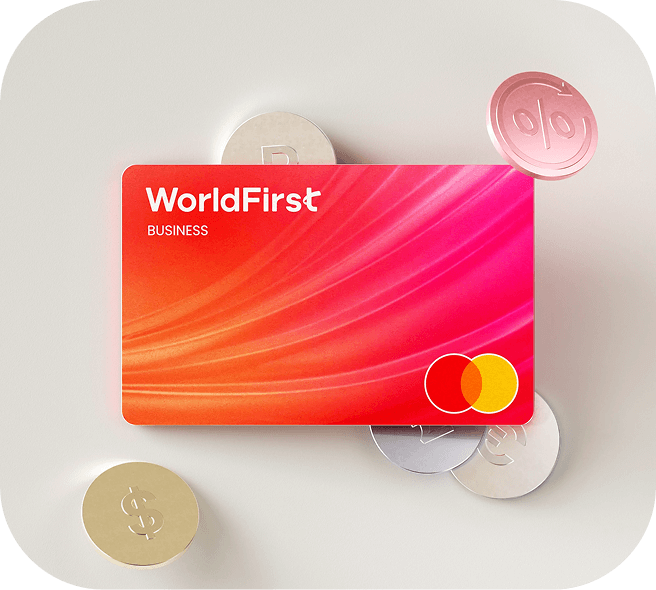
When sourcing from new international platforms or suppliers, using a virtual card adds a layer of protection. WorldFirst allows account holders to create up to 20 virtual cards, each with unique payment details that are separate from your main account balance.⁴ After completing a purchase, you can freeze or delete the card entirely, reducing exposure to third-party data breaches.
This is particularly relevant for sellers who are testing new suppliers or platforms and want to avoid risking access to their primary business funds.
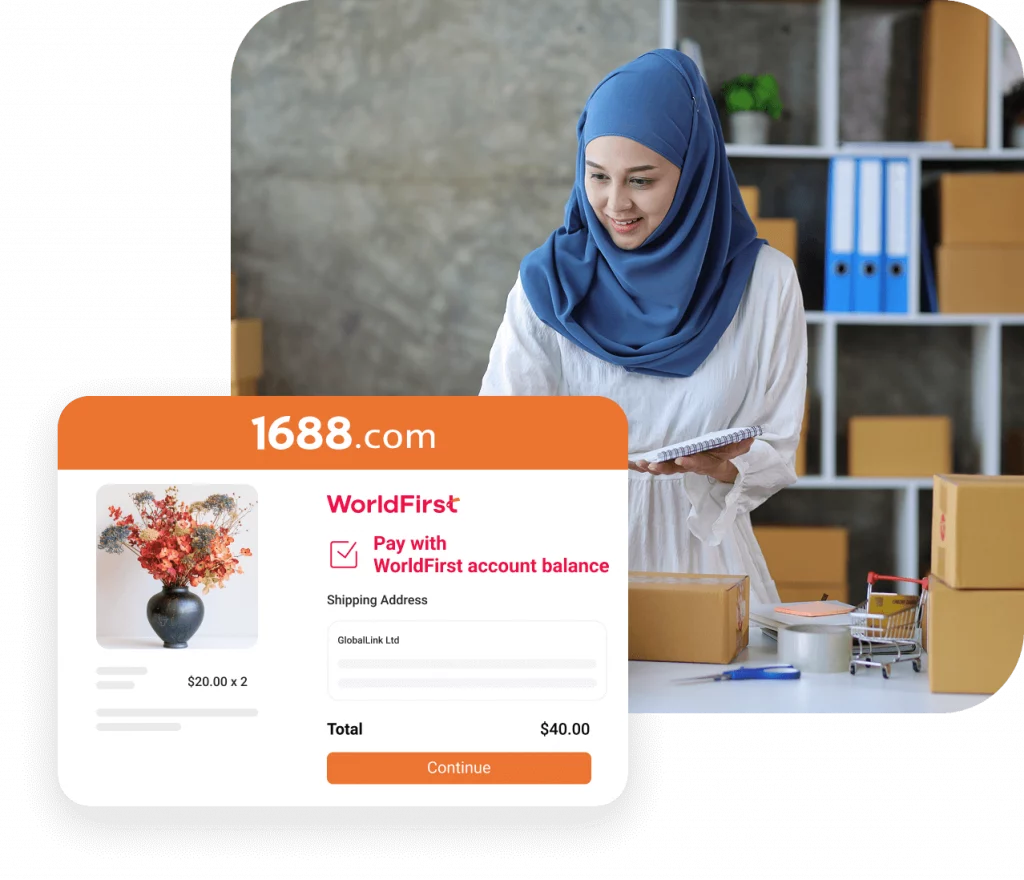
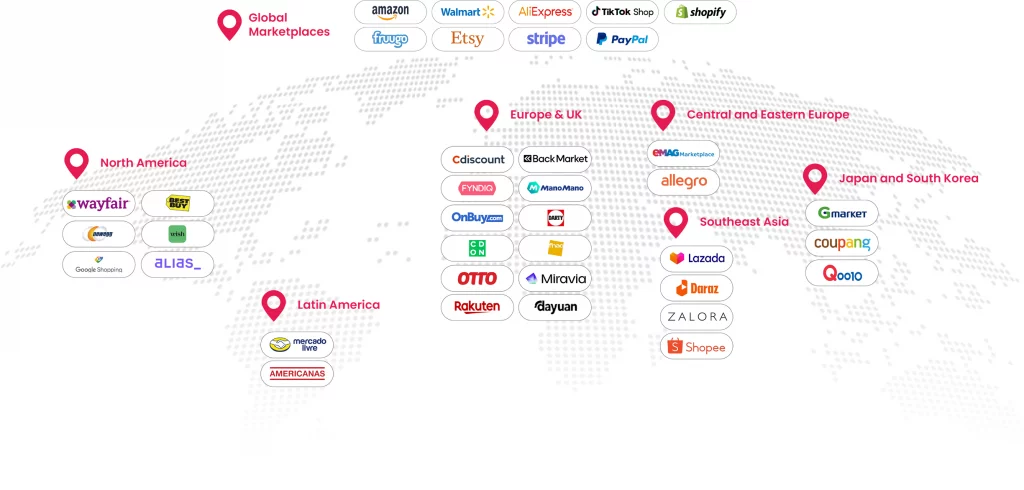
WorldFirst integrates directly with 130+ marketplace platforms, including Amazon, Shopify, and WooCommerce, enabling sellers to receive marketplace payouts and pay suppliers from a single account.⁴ It also supports a direct payment integration with 1688.com (a Chinese wholesale platform with pricing that is typically lower than AliExpress Business) through its solution, which lets you pay 1688 suppliers directly without a sourcing agent.⁴
| Feature | Standard AliExpress | AliExpress Business | Alibaba |
|---|---|---|---|
| Primary audience | Individual buyers | SMEs and e-commerce sellers | Enterprise importers |
| Minimum order quantity | No MOQ | Low MOQ (varies by supplier) | High MOQ (typically 100+ units) |
| Pricing model | Fixed retail pricing | Per-unit wholesale; negotiable | Manufacturer pricing; negotiable |
| Supplier verification | Buyer reviews | Business document verification | Business document verification |
| Private-label support | Limited | Yes | Yes |
| RFQ tools | No | Yes | Yes |
| AI sourcing tools | No | Yes | Limited |
| Buyer protection | Standard | Enhanced | Standard |
| Best use case | Testing, small orders | Scaling wholesale sourcing | High-volume manufacturing |
Features and availability may vary by region and are subject to change. Always verify current offerings directly with each provider before making a decision.
AliExpress Business occupies a practical middle ground for growing sellers.¹ ² It removes the friction of high Alibaba MOQs while offering more structured procurement tools than standard AliExpress. For South Asian sellers who are building rather than already operating at enterprise scale, this positioning is directly relevant to the current stage of business growth.
Access to AliExpress Business is invite-only by default, though sign-up pathways exist through certain verified platform partners. Before applying, it is worth ensuring your business is prepared to operate at wholesale sourcing volumes. The following steps outline the general process:
An AliExpress Business account is a verified B2B version of standard AliExpress, designed for SMEs and e-commerce sellers. It offers per-unit wholesale pricing, supplier verification, RFQ tools, and private-label manufacturing support — features not available on standard AliExpress. Sellers must submit business documents to be verified, which provides greater supplier accountability than the standard platform’s review-based system.
Yes. Freelancers and digital entrepreneurs who earn income from international clients can use those foreign currency earnings to fund product sourcing through AliExpress Business. A multi-currency account allows you to hold USD or other foreign earnings and pay suppliers directly, avoiding multiple currency conversion steps that would otherwise reduce your margins.
You can pay AliExpress Business suppliers via international bank transfers, though this often involves intermediary fees and unfavourable FX rates. A more cost-efficient approach is using a multi-currency account like WorldFirst, which lets you hold balances in CNH and other currencies and pay suppliers directly in their preferred currency, reducing conversion costs.
Yes. WorldFirst’s multi currency account allows you to receive payments from platforms like Upwork, Deel, and Toptal in USD or other currencies, hold those balances, and use them to pay international suppliers without requiring a full conversion to your local currency first. This makes it a practical payment infrastructure for freelancers who are also running product-based businesses.
Sources:
This article is intended for informational purposes only and does not constitute legal advice or professional advice. This article should not be regarded as constituting an offer or a solicitation to buy or sell any regulated or financial products or services. WorldFirst makes no representations or warranties regarding the accuracy, completeness, or applicability of the content, and readers are encouraged to consult with legal professionals or other professionals for advice tailored to their specific situation. WorldFirst does not guarantee the accuracy and completeness of this article and expressly disclaims any and all liability to any person in respect of the consequences of anything done or omitted to be done wholly or partly in reliance on this article.
Linna is a Senior Content Strategy Manager specializing in fintech, cross-border payments, and global ecommerce. With extensive experience in international B2B growth content, and global market expansion, she leads content initiatives that help businesses navigate cross-border trade, international payments, and digital commerce at scale.
Linna
Author
Choose a product or service to find out more
Save money, time, and have peace of mind when expanding your global business.
© 2026, Ant International or its affiliates