




























A practical guide for Malaysian SMEs on what sells in China, what the process involves and how to receive overseas revenue.
Planning to export to China from Malaysia? This guide covers what Malaysia sells to China, which categories matter most, and what your business needs to trade and get paid. It is written for Malaysian SME exporters, manufacturers, wholesalers and brand owners weighing China as a B2B market. You will find current trade data, a step-by-step export workflow and practical payment guidance.
Key Takeaways
- Malaysia exported goods worth around USD 44 billion to China in 2025, led by electrical and electronic products, making China a major trade partner.¹
- Understand the gap between Malaysia’s large national export categories and the smaller, realistic opportunities open to most SME exporters.
- Confirm product restrictions, buyer legitimacy, documentation and customs rules before you agree commercial terms with any Chinese importer.
- Agree invoice currency, payment terms and settlement method early, because these choices shape your cash flow and foreign exchange exposure.
- Prepare a reliable way to receive and manage international business payments as part of getting export-ready, not as an afterthought.
What does Malaysia export to China?
Malaysia exports substantial volumes of goods to China every year. In 2025, total exports to China reached around USD 44 billion, spanning electronics, fuels, chemicals, machinery, rubber and agricultural oils.¹ The opportunity for your business depends on your product, Chinese demand, compliance and how you sell.
China is one of Malaysia’s largest trade partners, taking roughly 11.7% of total Malaysian exports in 2025.² But national totals are dominated by large industrial exporters. Your realistic opportunity sits inside specific product categories where smaller businesses can compete.
Here is a summary of Malaysia’s main export categories to China, based on 2025 United Nations COMTRADE data.
| Export category | Approx. 2025 value (USD) | Typical exporter |
| Electrical and electronic equipment | 17.84 billion | Large manufacturers |
| Mineral fuels and oils | 4.38 billion | Energy and commodity firms |
| Machinery and parts | 3.00 billion | Industrial exporters |
| Plastics | 2.15 billion | Manufacturers, some SMEs |
| Optical and medical apparatus | 2.11 billion | Specialist manufacturers |
| Rubber and rubber products | 1.41 billion | Manufacturers, some SMEs |
Note: Features and availability may vary by region and are subject to change. Always verify current offerings directly with each provider before making a decision.
These figures come from COMTRADE trade statistics for 2025 and describe total national trade, not the volume any single SME can expect.¹ Use them to understand where demand concentrates, then assess whether your specific product fits.
What is Malaysia’s biggest export to China?
Malaysia’s biggest export to China is electrical and electronic equipment, worth about USD 17.84 billion in 2025.¹ This single category made up roughly 40% of everything Malaysia sold to China that year. It reflects Malaysia’s strong position in semiconductors and integrated circuits.
China buys these products to feed its own manufacturing and technology supply chains. Integrated circuits (HS 8542) are Malaysia’s largest single export product globally.³
One caution matters here. This category is dominated by large multinational manufacturers with established plants in Malaysia. It does not automatically represent an accessible opportunity for a smaller business. A high national export figure does not mean easy SME entry.
What are Malaysia’s top export products to China?
Malaysia’s top four export categories to China by value are electrical and electronic equipment, mineral fuels and oils, machinery, and plastics.¹ Optical and medical apparatus follows closely. Below is a breakdown with a realistic view of SME accessibility.
| Export category | Why China imports it | Typical business type | SME accessibility |
| Electrical and electronic equipment | Feeds tech and manufacturing supply chains | Large multinationals | Low |
| Mineral fuels and oils | Energy and industrial demand | Energy and commodity firms | Low |
| Machinery and parts | Industrial production needs | Industrial manufacturers | Low to medium |
| Plastics | Manufacturing inputs | Manufacturers, some SMEs | Medium |
| Rubber and rubber products | Automotive and industrial use | Manufacturers, some SMEs | Medium |
Note: Features and availability may vary by region and are subject to change. Always verify current offerings directly with each provider before making a decision.
These rankings come from 2025 COMTRADE data.¹ The top categories skew toward large industrial players. For most SMEs, the practical opportunity lies in niche manufacturing, processed products or consumer goods rather than the headline categories.
What does China need from Malaysia?
China imports heavily from Malaysia across electronics, fuels, chemicals and agricultural commodities.¹ For an SME, the useful question is different. It is not what China imports in bulk, but where growing demand meets a product you can realistically supply.
There is a real distinction to hold onto:
- What China already imports in large volumes (electronics, fuels, palm-based oils).
- Sectors where demand may be growing (consumer goods, processed food, specialist components).
- Products a Malaysian SME could realistically export at a competitive scale.
Some categories worth evaluating, where evidence supports demand, include food and halal-certified products, consumer goods, plastics, rubber products and specialist manufacturing inputs. Palm oil and related products remain significant, though these markets are competitive and often served by larger exporters.³
Do not assume demand from national totals alone. Validate it for your specific product before committing resources.
How to export from Malaysia to China
Exporting to China follows a clear sequence. Work through these steps in order to reduce commercial and compliance risk.
- Validate Chinese demand for your specific product, not the category.
- Confirm whether your product is permitted or subject to specific controls.
- Identify and verify the Chinese buyer or importer.
- Agree Incoterms, pricing and payment terms in writing.
- Prepare your Malaysia export documentation.
- Confirm Chinese import and customs requirements for your goods.
- Arrange freight, insurance and customs clearance.
- Invoice the buyer and set up a way to collect international payment.
Each step protects your margin and reduces the chance of costly delays. Skipping counterparty checks or documentation is where many first-time exporters run into trouble.
What documents do Malaysian businesses need to export to China?
Export documentation depends on your product and the trade arrangement. Most shipments involve a commercial invoice, packing list, transport documents and a customs export declaration. Some goods need additional certificates or permits. Requirements are not identical for every shipment.
Depending on your goods and buyer, you may need:
- A commercial invoice and packing list.
- Transport documents, such as a bill of lading or air waybill.
- A Malaysian customs export declaration.
- A certificate of origin, where applicable.
- Product-specific certificates, permits or licences (for example, for food or regulated goods).
- Buyer or importer documentation, where China requires it.
Verify current requirements with authoritative Malaysian and Chinese sources before shipping, as rules differ by goods and change over time.⁴ Not every product requires the same licence or certificate, so check for your specific category.
How to check your Chinese buyer before exporting
Verifying your buyer reduces cross-border risk. Before you ship or accept an order, confirm the buyer is a legitimate, registered company able to import your goods. A short due-diligence process protects you from non-payment and fraud.
Check the following where possible:
- The legal company name and business registration details.
- The registered trading address.
- An authorised contact within the company.
- A signed purchase contract with clear terms.
- Agreed payment terms and currency.
- Whether the buyer can legally import regulated products.
- That the bank or account details match the contractual counterparty.
A mismatch between contract details and payment instructions is a common warning sign. Treat any such discrepancy as a reason to pause and confirm before proceeding.
How will your Chinese customer pay your Malaysia business?
Getting paid is where many exporters underestimate the operational detail. You will need to agree the invoice currency, transfer method and payment terms, then have a way to receive and reconcile the funds. Each choice affects your cash flow and foreign exchange exposure.
Common considerations include:
- Invoice currency (often USD for cross-border trade).
- The transfer method your buyer will use.
- Who bears the transfer and conversion costs.
- Foreign exchange conversion into your working currency.
- Settlement timing and how you reconcile payments.
- The cash-flow impact of longer payment terms.
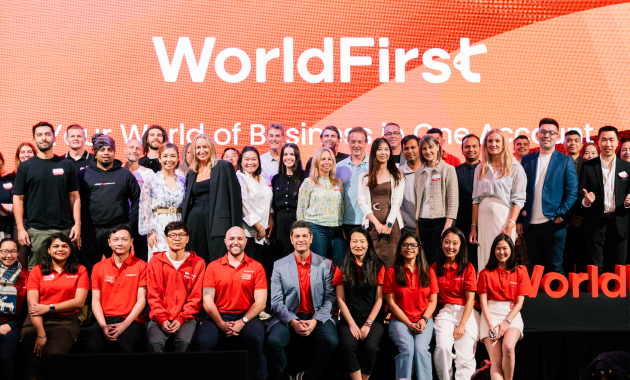
Exporting introduces another operational question: how will your business receive and manage payments from overseas customers? A WorldFirst multi-currency business account can help eligible businesses collect international payments in supported currencies and manage funds from one account. WorldFirst supports collecting payments from overseas buyers and cross-border B2B customers using local receiving account details, then holding or converting those balances.
WorldFirst is a payments provider that is part of the same corporate group as Ant International, and the licensed local entity is regulated by BNM under a Class A licence for money changing and remittance. There is no fee to open or maintain the account and no fee to collect funds, though other services such as FX may carry separate pricing.
How WorldFirst can help Malaysia exporters manage international payments
WorldFirst gives eligible Malaysian exporters a practical way to receive and manage overseas business revenue from one account. It is built for cross-border businesses collecting payments from marketplaces, overseas buyers and B2B customers.
With a multi-currency business account, you can:
- Receive eligible international business payments in supported currencies.
- Use local receiving account details in USD and MYR to collect like a local.
- Hold received balances until you need to convert or pay out.
- Convert between supported currencies and manage foreign exchange.
- Make onward business payments, including CNH payments into China where relevant.
- Track all your currency accounts through one central dashboard.
Local receiving accounts currently support USD and MYR collection, alongside broader international collection in 20+ currencies. For payment collection specifically from Chinese buyers, confirm the supported currency and account type before relying on it, rather than assuming local CNY receiving is available.
Checklist: Is your business ready to export from Malaysia to China?
Run through this checklist before you scale cross-border sales. It brings together demand, compliance and payment readiness in one view.
- Is there proven demand for your specific product in China?
- Have you checked product restrictions and controls?
- Do you know the relevant HS or commodity classification?
- Can the Chinese buyer legally import your product?
- Are your contracts and Incoterms clear and signed?
- Have you calculated duties, logistics and foreign exchange exposure?
- Have you agreed invoice currency and payment terms?
- Do you have a method for receiving and managing international business payments?
Opening a business account to receive overseas revenue is one practical preparation step. To register with WorldFirst, prepare your applicant identity document, business or SSM registration details, business licence documentation, company and trading-address details, director information, relevant beneficial owner or shareholder details, and estimated business turnover. Approval and verification times are not guaranteed.
FAQs
Can a small Malaysian business export to China?
Yes, a small Malaysian business can export to China. Your success depends on proven demand, whether your product is permitted, buyer legitimacy and your ability to manage documentation and payments. Niche products, processed goods and consumer items are often more accessible to SMEs than the large industrial categories that dominate national trade figures.
Do I need an export licence to export from Malaysia to China?
It depends on your product. Some goods can be exported with standard commercial and customs documentation, while others, such as certain food, agricultural or regulated products, require specific permits or certificates. Check current Malaysian and Chinese requirements for your exact goods before shipping, as rules differ by category and change over time.
Can Malaysian exporters get paid in foreign currency?
Yes, Malaysian exporters can receive payments in foreign currency. Cross-border trade is often invoiced in USD. A multi-currency business account lets eligible businesses collect international payments in supported currencies, hold the balance and convert when the rate suits, subject to actual execution and applicable terms.
What should I check before accepting payment from an overseas buyer?
Confirm that the payer matches your contractual buyer, that account details are consistent with the agreement, and that payment terms and currency are documented. Verify the buyer’s company registration and importing capability first. A mismatch between contract and payment instructions is a common fraud warning sign worth pausing on.
Conclusion
Exporting to China from Malaysia is a real opportunity, but it rewards preparation. Understand where demand sits, separate national totals from your realistic reach, and get your compliance and payment processes ready before you sell. When a sale exists, a reliable way to receive and manage overseas revenue keeps your cash flow and reconciliation under control. Start with a clear product-market fit, then build outward.
Sources
- https://tradingeconomics.com/malaysia/exports/china
- https://tradeint.com/insights/malaysia-export-data-2025-top-partners-products-analysis/
- https://www.eximpedia.app/blog/exports-of-malaysia
- https://www.investmalaysia.gov.my/resources/latest-announcements/malaysia-s-2025-trade-performance-the-highest-ever-value-for-trade-exports-and-imports/
This article is intended for informational purposes only and does not constitute legal advice or professional advice. This article should not be regarded as constituting an offer or a solicitation to buy or sell any regulated or financial products or services. WorldFirst makes no representations or warranties regarding the accuracy, completeness, or applicability of the content, and readers are encouraged to consult with legal professionals or other professionals for advice tailored to their specific situation. WorldFirst does not guarantee the accuracy and completeness of this article and expressly disclaims any and all liability to any person in respect of the consequences of anything done or omitted to be done wholly or partly in reliance on this article.