















Dropshipping from China to South Asia: The complete guide
Dropshipping continues to be one of the most accessible ways to start an online business since you don’t have to deal with any inventory, warehouses, or shipping headaches. And if you’re based in South Asia (or planning to sell to South Asian customers), partnering with Chinese suppliers can open up a world of opportunities.
From affordable sourcing and global product variety to the sheer scale of South Asian’s digital consumer market, the potential is huge. But to make this model work profitably and sustainably, you’ll need to understand how dropshipping from China to South Asia actually works, what to watch out for, and how to optimize for cost, speed, and customer experience.
Table of Contents
Why dropshipping to South Asia makes sense
South Asian ticks several boxes that make it a strong e-commerce market for dropshipping entrepreneurs.
Reliable shipping options
Reliable domestic and international delivery options like DHL, BlueDart, FedEx, and India Post ensure your products reach customers efficiently. Many of these carriers even offer next-day delivery to major metros–an essential advantage for customer satisfaction.
Massive, digitally-active population
Take India as an example. With over 1.4 billion people, India offers an enormous customer base. Even better, 462 million Indians use social media, mainly on Facebook, Instagram, and WhatsApp. That means your potential customers are not only online but also easy to target through digital marketing campaigns.
Growing purchasing power
India’s GDP per capita has grown steadily, leading to more disposable income and higher online spending. As digital trust improves and payment gateways expand, more Indians are shopping online than ever before.
Types of Chinese suppliers you can work with
Here are the three most common types you’ll encounter, and when each one makes sense.
1. Dropshipping platforms
You can browse thousands of products, import them directly to your store, and let the platform handle fulfillment.
Best for: Testing products and validating niches quickly
| Pros | Cons |
|
|
2. Wholesalers
Wholesalers buy in bulk from manufacturers and resell to smaller businesses. Some now support dropshipping directly and help you fulfil orders.
Best for: Mid-level sellers looking for reliability and better margins.
| Pros | Cons |
|
|
3. Manufacturers
If you’re ready to build a private label or your own brand, manufacturers are the way to go. You can find them on Alibaba, 1688.com, or other B2B marketplaces. But working with manufacturers for private-labelled products means committing to bulk quantities.
Best for: Experienced dropshippers and sellers trying to scale their brand
| Pros | Cons |
|
|
How to find trusted Chinese suppliers
1. Check Alibaba, AliExpress, or 1688
When sourcing products for your Amazon store, start with trusted global platforms like Alibaba, AliExpress, or 1688. Each has its own strengths:
- Alibaba connects you directly with manufacturers, ideal for bulk orders and private labeling
- AliExpress sellers offer smaller quantities, great for product testing or low-MOQ orders
- 1688 is mostly used by Chinese domestic suppliers, so prices are often lower, but the interface is in Chinese, and you’ll likely need a sourcing agent or translation help
Reach out to at least 3–5 suppliers to compare response times, pricing, MOQ (minimum order quantity), and professionalism before making a decision.
Here’s what you should avoid
- Sellers with no reviews or inconsistent listings
- Unrealistically low prices (often bait listings)
- Poor communication or vague answers about production or quality
2. Attend online or in-person trade fairs
If you’re serious about long-term sourcing, trade fairs can be a great opportunity. Events like the Canton Fair connect you with verified manufacturers and exporters, often offering better deals than you’ll find online.
Many of these fairs now have virtual editions, so you can even join remotely, browse supplier directories, and even schedule video meetings.
Trade fairs also give you insights into emerging product trends, new materials, and packaging ideas, helping you find products that stand out in competitive markets like India.
Building a dropshipping Store for the Indian Market
1. Choose your niche wisely
Start with a niche that fits Indian buying habits, such as categories like fashion, home décor, electronics accessories, or health products work well. Research trending items on Meesho, Flipkart, and Amazon India to find what’s selling consistently, not just what’s viral.
2. Select reliable suppliers
Partner only with suppliers who offer fast delivery, quality assurance, and easy returns. Marketplaces like AliExpress can help ensure dependable fulfillment and reduce refund headaches.
3. Build your online store
Use platforms like Shopify, Wix, or WooCommerce to launch your storefront. Keeping the design clean, and mobile-friendly with simple navigation, clear product images, and upfront shipping info are key for conversions in India’s price-sensitive market.
4. Set up payment gateways
Offer familiar Indian payment options like UPI, debit cards, and wallets (PhonePe, Paytm, Google Pay) through gateways such as Razorpay or Cashfree. Transparent pricing and smooth checkout reduce cart abandonment significantly.
5. Market your store effectively
Leverage Instagram, YouTube Shorts, and Meta ads to build awareness and drive traffic. Short product demos, influencer collaborations, and social proof (like reviews and customer photos) can go a long way in winning Indian shoppers’ trust.
- Open 20+ local currency accounts and get paid like a local
- Pay suppliers, partners and staff worldwide in 100+ currencies
- Collect payments for free from 130+ marketplaces and payment gateways, including Amazon, Etsy, PayPal and Shopify
- Save with competitive exchange rates on currency conversions and transfers
- Lock in exchange rates for up to 24 months for cash flow certainty
Calculating costs and protecting your margins
Shipping from China to South Asia, along with customs duties and currency conversion, can heavily influence your profit margins.
Shipping costs: These vary based on product weight, dimensions, and delivery method. Air freight ensures faster delivery but at a higher price, while sea freight is cheaper but slower. Balance the two depending on your product type and order volume.
Customs and taxes: Import duties, GST, and handling fees should be factored in early to avoid losing money later. Always check India’s import regulations by product category to calculate accurate landed costs.
Currency exchange: Many South Asian dropshippers pay Chinese suppliers in CNY or USD, but receive customer payments in local currency. Exchange rate fluctuations between these currencies can quickly eat into your profits if not managed carefully.
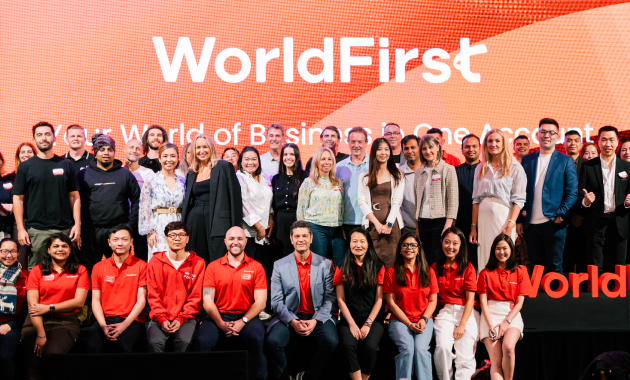
Simplifying cross-border payments with WorldFirst
With a World Account, you can hold and send funds in multiple currencies, including USD, CNH, GBP, and EUR, without opening separate bank accounts in each country.
For South Asian dropshippers sourcing from China, this means you can pay suppliers directly in their preferred currency, receive customer payments from global marketplaces, and even lock in exchange rates when they’re most favourable. No more repeated conversions or hidden bank charges.
WorldFirst connects seamlessly with e-commerce platforms like Shopify, AliExpress, and Amazon, letting you manage payments end-to-end from one dashboard. Plus, its transparent fees and competitive FX rates help you retain more of your earnings, freeing you to focus on scaling your store instead of chasing payment issues.

Businesses trust WorldFirst
- Almost 1,500,000 businesses have sent US$500B+ around the world with WorldFirst and its partner brands since 2004
- Your money is safeguarded with leading financial institutions